“You Can’t Lead With a Spreadsheet”: What It Really Takes to Be a Project Director
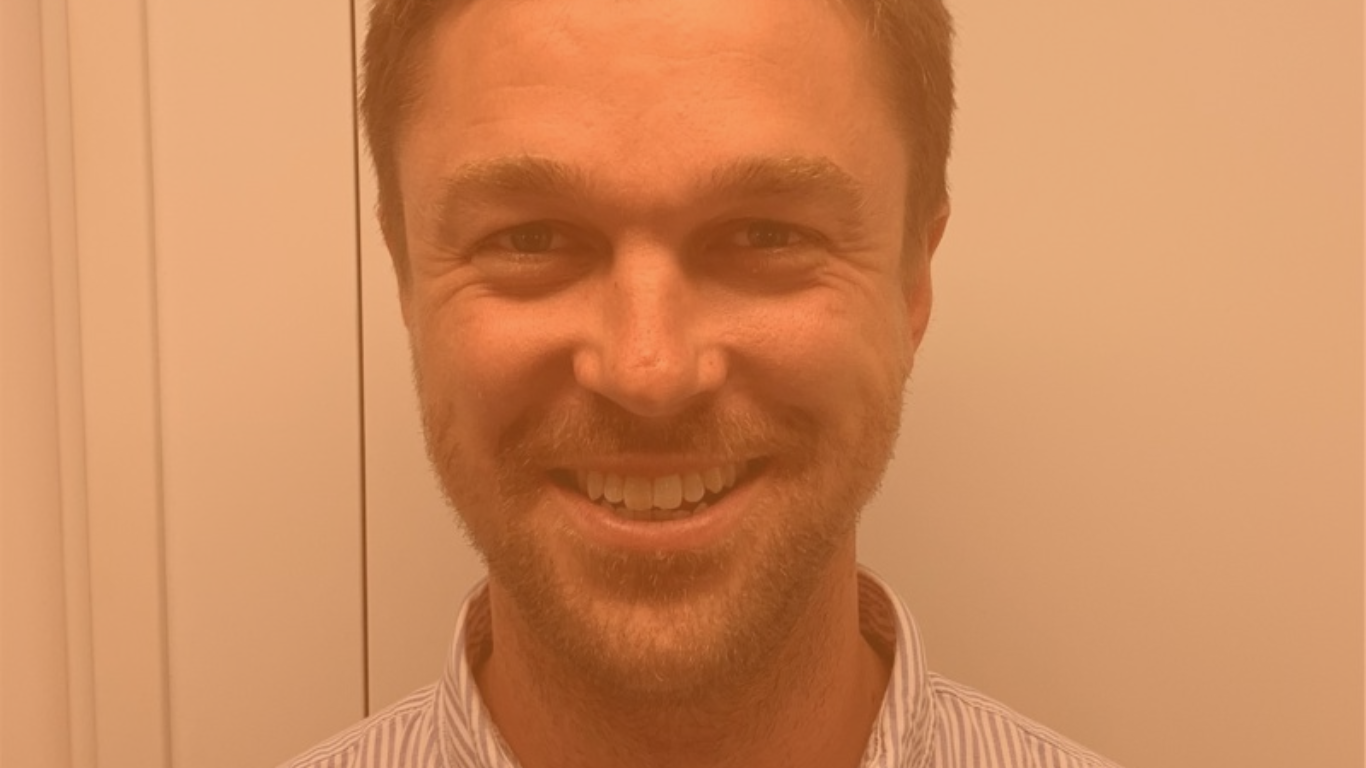
When Matt Hadden reflects on one of his biggest engineering feats, jacking an 11,000-tonne concrete tunnel under the East Coast Mainline, he doesn’t start with the maths.
He starts with the people.
“The biggest challenge wasn’t the structure. It was getting everyone aligned—engineers, geotechs, commercial teams, even archaeologists,” Matt says. “Leadership in our industry is about making clarity from complexity. You can’t lead with a spreadsheet.”
As a Project Director at Morgan Sindall, Matt now oversees some of the most demanding civil infrastructure programmes in the UK, including a growing portfolio for Transport for London. He’s young for the role. But his quiet, process-driven confidence and people-first ethos have made him a standout voice in construction leadership circles.
A Role That’s About Relationships, Not Just Results
“The job title can mislead you,” he explains.
“Project Director doesn’t mean you sit in an office directing traffic. It means you’re constantly asking—does everyone know what success looks like? Are we resilient to the unknowns? Have we created a team culture that can absorb shocks and still deliver?”
He describes how a recent station redevelopment began not with procurement, but with a day-long launch event that brought everyone—client, contractor, designers—into the same room. No PowerPoint overload. No “us vs them.” Just structured conversations about expectations, risks and ways of working.
“We left with a project charter and, more importantly, a shared sense of purpose,” he says.
From the Field to the Frontline of Leadership
Matt’s own journey began not with a grand career plan, but with a nudge from his dad—“Don’t be a quantity surveyor. Try engineering.” After university, he entered the industry during the 2008 downturn. It was a time when job offers were scarce and long-term career thinking took a back seat to immediate survival.
His early roles exposed him to everything from complex tunnelling to temporary works and even an archaeological dig beneath Liverpool Street Station. But it was on Crossrail West, where he was handed a station to manage as a relatively junior engineer, that the shift began.
“That was the moment I realised it’s not about having the answer yourself. It’s about creating the conditions for others to succeed,” he says.
What an MBA (and a Sailboat) Taught Him
That realisation led Matt to pursue an MBA with the Open University—not to pivot out of the sector, but to get better at leading within it.
“There’s a model or framework out there for nearly every problem,” he says, smiling. “But you can’t walk into a meeting and drop a business theory on the table. You’ve got to apply it with care.”
It’s a lesson reinforced by his time volunteering as a skipper for a youth sail training charity. Onboard, hierarchy matters less than communication. Plans change with the wind—literally—and leadership becomes a matter of reading people as much as reading charts.
“You learn to spot fatigue, nerves, overconfidence. And you learn how to ask the right questions to get the best out of your crew,” he says. “It’s not so different to a project team.”
Advice for the Next Generation
Matt doesn’t believe in glamourising the Project Director role—but he does believe in its potential to be deeply meaningful.
“If you’re aiming for the job because you want the title, think again,” he says. “But if you’re genuinely curious about people, about systems, about solving puzzles that don’t have neat answers—then you’re on the right track.”
His advice to early-career professionals is simple: be inquisitive.
“Ask why. Ask how. Sit next to the planner, the QS, the environmental manager. Go and see. There’s a reason we call it site experience.”
And for those wondering what the future holds?
“The carbon conversation is going to reshape how we build. And AI will eventually reshape how we plan. But what won’t change,” he says, “is the need for real human leadership. That’s not going anywhere.”